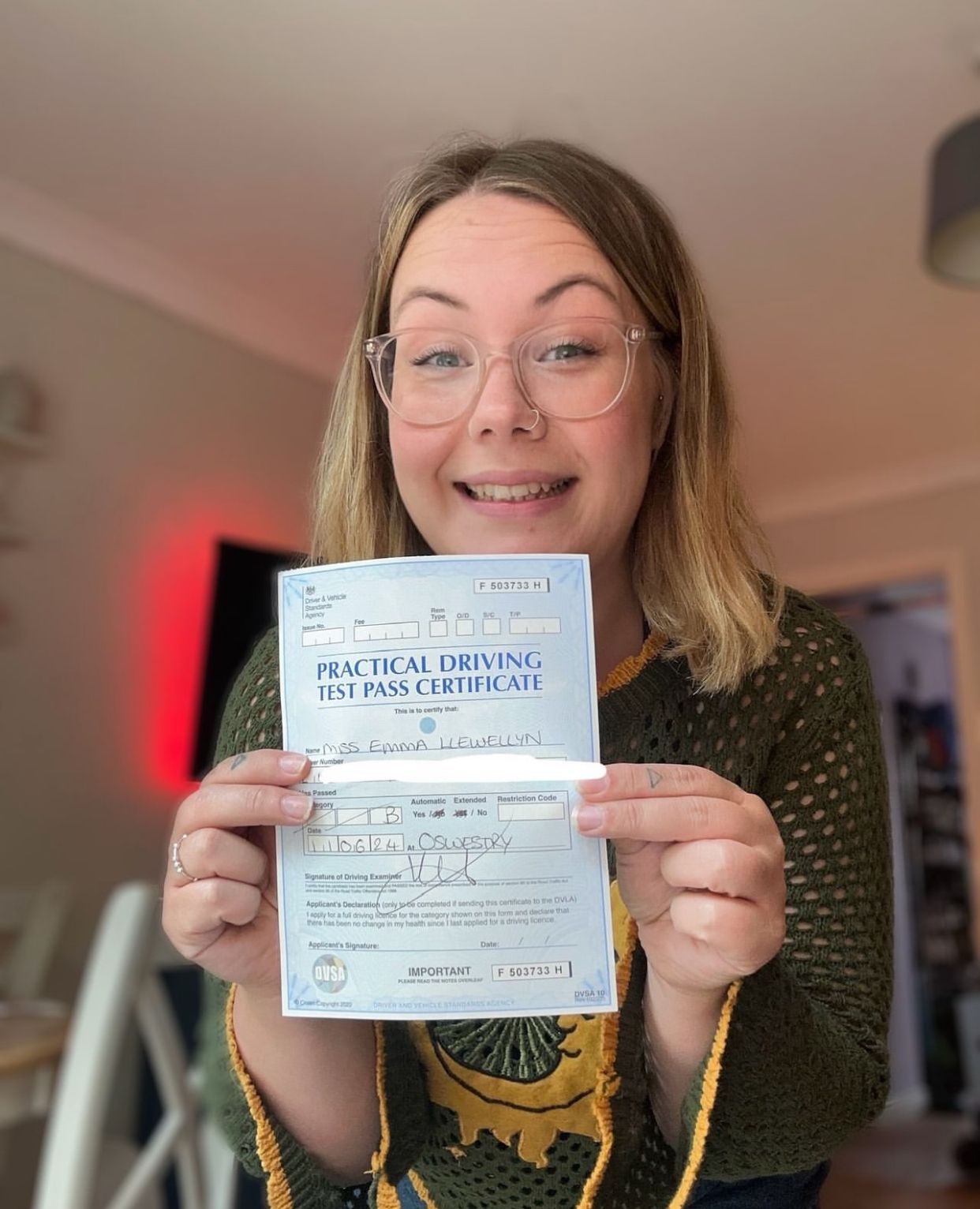
Navigating the UK Licensing System: What You Need to Know
When it concerns driving in the United Kingdom, acquiring a license is an important action that makes it possible for people to legally operate vehicles. The UK licensing system is structured, detailed, and developed to make sure that all drivers meet specific security and proficiency criteria. This post offers a comprehensive overview of the UK license, including its types, application process, requirements, and often asked concerns.
Understanding UK Driving Licenses
The UK driving license is an official file that certifies an individual's capability to drive a car on public roadways. The license represents that the holder has passed the needed tests and meets the necessary health and security standards. There are different kinds of licenses, dealing with different sort of cars and driving situations.
Types of UK Driving Licenses
- Provisional License: This is the initial step towards acquiring a complete driving license. A provisionary license permits individuals to drive under certain constraints, generally needing the supervision of an experienced driver.
- Complete Car License: Once individuals pass the driving test, they are awarded a complete car license, permitting them to drive cars and small vans.
- Motorbike License: This license allows the holder to run motorcycles, with different categories based on the engine size and power of the motorbike.
- Bus and Lorry License: For individuals aiming to drive larger lorries, such as buses and lorries, a particular license must be obtained, that includes extra training and testing.
- Specialized Licenses: There are likewise licenses for unique vehicle classifications, consisting of farming lorries and taxis.
The Licensing Process
Action 1: Obtain a Provisional License
The initial step in the licensing procedure is looking for a provisionary license. This can be done online or through a paper application. Applicants should:
- Be at least 15 years and 9 months old.
- Supply valid recognition.
- Pay a cost (presently ₤ 34 for online applications and ₤ 43 for paper applications).
Action 2: Prepare for the Driving Test
After getting a provisionary license, the next step is to get ready for the driving test. This usually includes:
- Driving Lessons: It is a good idea to take lessons from a qualified driving trainer, who can direct learners on safe driving practices and help them acquire self-confidence on the roadway.
- Theory Test Preparation: The theory test assesses knowledge in areas such as roadway signs, traffic laws, and threat understanding. joeperish.top are offered, including apps and online simulations.
Step 3: Take the Theory Test
Prospects must pass the theory test before they can reserve a driving test. The theory test includes multiple-choice questions and a threat perception section. This test is essential for examining a driver's understanding of the rules and hazards on the roadway.
Step 4: Take the Practical Driving Test
Once the theory test has actually been passed, people can schedule their useful driving test. The test evaluates driving abilities in real-world scenarios, including:
- Driving securely and with confidence on different kinds of roads.
- Performing driving maneuvers (parking, reversing, and so on).
- Complying with traffic laws.
Step 5: Obtain Your Full License
Upon successfully passing the useful driving test, candidates are issued a complete driving license. They need to request a license upgrade, which usually takes place automatically as part of the driving test procedure.
License Renewal and Penalties
Driving licenses in the UK are typically legitimate until the age of 70. After this age, licenses must be renewed every 3 years. It's essential for drivers to keep their licenses updated, as stopping working to do so can result in legal charges, such as fines or disqualification from driving.
Frequently Asked Questions about UK Driving Licenses
Q: How long does it take to get a driving license in the UK?A: The time frame varies based on individual ability and preparation. Normally, it can take a couple of months of lessons and practice to be prepared for the tests. Q: Can I drive with a foreign license in the UK?A: Visitors can use their foreign licenses for a particular duration, normally as much as 12 months, depending on the country of origin. However, if you become a resident, you need to exchange your foreign license for a UK license. Q: What takes place if I fail my driving test?A: If you do not pass your driving test, you can rebook
the test. It's useful to take extra lessons before trying once again to deal with any drawbacks identified in the preliminary test. Q: Are there any age constraints for various driving licenses?A: Yes, the minimum age to get a provisionary license is 17 for cars and 16 for
motorcycles. There are particular age requirements for bigger automobiles, such as buses
, which start at 18 or older. Q: Do I need to take an eye test for a driving license?A: While there is not an official eye test as part of the application procedure, applicants need to fulfill specific vision requirements
to be qualified for a driving license.
Navigating the UK driving license system can at first appear complex, however comprehending the numerous stages from obtaining a provisional license to accomplishing a full driving
license makes the procedure more manageable. Being notified about the requirements and actions involved ensures that potential drivers are well-prepared to enjoy the independence and flexibility that includes driving in the UK. Whether you are a newcomer to driving or an experienced driver changing to UK laws, keeping up with the licensing policies is vital for a safe and lawful driving experience.